MK677 Lab Home

Category

Research & Mechanisms

19 articles

Tendons Under the Influence: Examining MK-677's Potential Role in Connective Tissue Repair and Collagen Biology

Tendons Under the Influence: Examining MK-677's Potential Role in Connective Tissue Repair and Collagen Biology

Tendon health sits at the intersection of collagen biology, mechanical loading, and hormonal signaling—a territory where growth hormone plays a recognized but incompletely understood role. This article examines the mechanistic basis for MK-677's potential influence on tendon repair and connective tissue remodeling, while acknowledging that direct clinical evidence in this specific domain remains one of the more significant gaps in the research literature.

Chasing the Ceiling: What Dose-Response Data Actually Reveals About MK-677 Efficacy and Escalation Risk

Chasing the Ceiling: What Dose-Response Data Actually Reveals About MK-677 Efficacy and Escalation Risk

A common assumption in MK-677 research communities is that higher doses produce proportionally greater benefits. The pharmacological evidence tells a more complicated story, one involving receptor saturation, feedback suppression, and a dose-response curve that flattens well before most escalation protocols acknowledge it. This article examines what the data actually establishes about optimal dosing thresholds and the real costs of exceeding them.

Methyl Groups and Molecular Memory: Investigating MK-677's Influence on DNA Methylation Across the Genome

Methyl Groups and Molecular Memory: Investigating MK-677's Influence on DNA Methylation Across the Genome

DNA methylation—one of the most consequential epigenetic mechanisms in human biology—may be subject to modification by growth hormone secretagogues like MK-677. Emerging evidence suggests that GH and IGF-1 pathway activation can redistribute methyl group patterns across the genome, with downstream consequences for gene silencing, cellular identity, and long-term tissue function. This article examines what the current science reveals, where the data remains incomplete, and why these findings dese

Epigenetic Clocks and MK-677: Could Growth Hormone Secretagogues Influence Biological Age at the Molecular Level?

Epigenetic Clocks and MK-677: Could Growth Hormone Secretagogues Influence Biological Age at the Molecular Level?

Emerging research at the intersection of growth hormone biology and epigenetics raises a provocative question: does MK-677's capacity to elevate GH and IGF-1 extend beyond tissue-level effects to influence DNA methylation patterns that define biological age? This article examines the mechanistic plausibility of that hypothesis, surveys the limited but growing body of evidence on growth hormone secretagogues and epigenetic clocks, and considers what the distinction between stimulating growth and

Gene Expression in the Shadow of Growth Hormone: Examining MK-677's Potential Epigenetic Footprint

Gene Expression in the Shadow of Growth Hormone: Examining MK-677's Potential Epigenetic Footprint

As MK-677 research matures, a quieter but consequential question has emerged at the molecular level: does sustained growth hormone elevation rewrite the epigenetic landscape in ways that extend well beyond a research protocol's end date? Preliminary evidence from aging biology and GH science suggests the answer may be more complex than current clinical trial frameworks are equipped to measure. This article examines what is known, what remains speculative, and why the epigenetic dimension of MK-6

Two Signals, One Compound: How MK-677's Simultaneous Activation of Ghrelin and IGF-1 Pathways Produces Contradictory Metabolic Outcomes

Two Signals, One Compound: How MK-677's Simultaneous Activation of Ghrelin and IGF-1 Pathways Produces Contradictory Metabolic Outcomes

MK-677 is frequently characterized as a growth hormone secretagogue, yet its simultaneous engagement of ghrelin receptor pathways and downstream IGF-1 production creates a far more complex metabolic picture than that label implies. This article examines the mechanistic tensions between these two signaling axes and explores why the compound produces markedly different body composition outcomes across individuals. Understanding this dual-pathway architecture may help explain some of the most persi

Clockwork Hormones: How the Timing of MK-677 Administration Shapes GH Pulse Dynamics and Sleep Architecture

Clockwork Hormones: How the Timing of MK-677 Administration Shapes GH Pulse Dynamics and Sleep Architecture

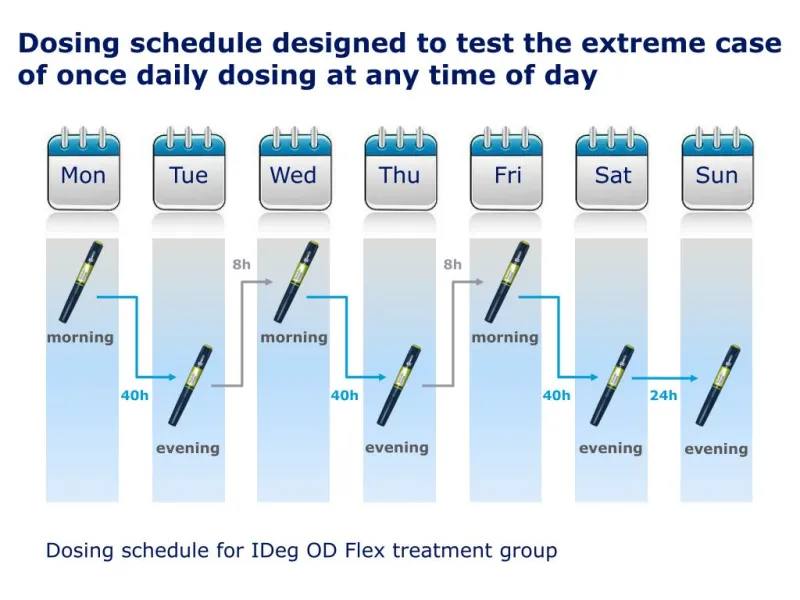
The biological clock governs far more than wakefulness — it orchestrates the rhythmic release of growth hormone in patterns that MK-677 can amplify or disrupt depending on when it is administered. This analysis examines the intersection of chronobiology and MK-677 pharmacokinetics, synthesizing clinical data on how morning versus evening dosing differentially affects GH secretion amplitude, slow-wave sleep quality, and downstream recovery biology. Researchers seeking to understand the temporal d

Stress Hormones, Ghrelin Signaling, and MK-677: What the HPA Axis Evidence Reveals About Cortisol Dynamics and Recovery

Stress Hormones, Ghrelin Signaling, and MK-677: What the HPA Axis Evidence Reveals About Cortisol Dynamics and Recovery

MK-677's pharmacological identity is typically framed around growth hormone secretagogue activity, but its upstream engagement with ghrelin receptors places it in direct conversation with the hypothalamic-pituitary-adrenal axis—the body's central stress-regulation network. This article examines the mechanistic and clinical evidence connecting MK-677 to cortisol secretion patterns, circadian HPA dynamics, and the recovery biology relevant to high-demand physiological environments. Understanding t

Hungry Yet Lean: Decoding the Molecular Disconnect Between MK-677's Appetite Effects and Fat Accumulation

Hungry Yet Lean: Decoding the Molecular Disconnect Between MK-677's Appetite Effects and Fat Accumulation

Many individuals administering MK-677 in research contexts report pronounced hunger signals that fail to translate into meaningful fat gain—a phenomenon that appears paradoxical on its surface. This article examines the molecular architecture behind ghrelin receptor agonism, separating appetite signaling from nutrient partitioning biology. Understanding this distinction may clarify whether MK-677's hunger effects represent a genuine metabolic divergence or a more nuanced perceptual and hormonal

Hungry But Not Heavier: Dissecting the Appetite-Composition Disconnect in MK-677 Research

Hungry But Not Heavier: Dissecting the Appetite-Composition Disconnect in MK-677 Research

MK-677 reliably elevates hunger signals, yet clinical data frequently shows favorable or neutral body composition outcomes. This investigation examines the mechanistic reasons behind that apparent contradiction, exploring how metabolic context, hormonal environment, and individual physiology determine whether increased appetite translates to lean mass accrual or unwanted fat accumulation.

More Calories, Better Composition: Untangling the Hormonal Logic Behind MK-677's Appetite Paradox

More Calories, Better Composition: Untangling the Hormonal Logic Behind MK-677's Appetite Paradox

MK-677 reliably increases appetite through ghrelin receptor agonism, yet a notable subset of users and clinical observations report simultaneous improvements in lean mass and body fat ratios. This article examines the hormonal interplay — involving IGF-1 elevation, altered nutrient partitioning, and shifts in resting metabolic rate — that may explain why increased caloric intake does not automatically translate into fat accumulation under MK-677 exposure.

Appetite Up, Fat Down: Unpacking the Metabolic Contradiction at the Heart of MK-677 Research

Appetite Up, Fat Down: Unpacking the Metabolic Contradiction at the Heart of MK-677 Research

MK-677 reliably stimulates appetite through ghrelin receptor agonism, yet clinical observations frequently show favorable shifts in body composition among research subjects. This article examines the mechanistic underpinnings of this apparent contradiction, including changes in resting metabolic rate, nutrient partitioning, and anabolic signaling that may collectively offset caloric intake increases.

From Wound to Scar: How MK-677-Driven Growth Hormone Elevation Influences Tissue Repair, Collagen Remodeling, and Recovery Biology

From Wound to Scar: How MK-677-Driven Growth Hormone Elevation Influences Tissue Repair, Collagen Remodeling, and Recovery Biology

MK-677's capacity to amplify endogenous growth hormone secretion positions it as a compound of significant interest in wound healing research. This article examines the mechanistic pathways connecting GH elevation to collagen synthesis, angiogenesis, and epithelialization, while reviewing available clinical evidence on whether these biological effects translate into measurable improvements in recovery timelines.

Ghrelin Receptor Agonism and the Biology of Aging: MK-677's Role in Sarcopenia, Frailty, and Functional Decline

Ghrelin Receptor Agonism and the Biology of Aging: MK-677's Role in Sarcopenia, Frailty, and Functional Decline

Age-related muscle wasting and functional decline represent one of the most clinically urgent challenges in geriatric medicine, and MK-677's capacity to restore youthful growth hormone pulsatility has positioned it as a candidate intervention in this space. This article examines the biological mechanisms through which ghrelin mimetics may counteract sarcopenia and frailty, while synthesizing clinical evidence from elderly cohort studies to evaluate real-world outcomes. The goal is to situate MK-

Hunger as a Variable: Understanding MK-677's Effect on Appetite and Using It Strategically

Hunger as a Variable: Understanding MK-677's Effect on Appetite and Using It Strategically

Appetite stimulation is among the most consistently reported physiological responses to MK-677, yet it is frequently reduced to a footnote in discussions that focus primarily on the compound's anabolic properties. Understanding the ghrelin signaling mechanism behind this effect — and how appetite changes interact with individual body composition objectives — is essential for anyone approaching MK-677 research with nutritional strategy in mind.

Beyond Growth Hormone: How MK-677 Engages the Molecular Machinery of Muscle Anabolism

Beyond Growth Hormone: How MK-677 Engages the Molecular Machinery of Muscle Anabolism

MK-677's reputation as a muscle-building compound often centers on its ability to elevate growth hormone levels, yet the underlying anabolic machinery is considerably more intricate. This article examines the cascade of molecular events—from IGF-1 receptor activation to mTOR signaling and nitrogen retention—that current research associates with MK-677's effects on skeletal muscle. Understanding these pathways is essential for distinguishing mechanistic evidence from the oversimplified narratives

Timing, Dosing, and Duration: What Research Actually Reveals About MK-677 Protocol Design

Timing, Dosing, and Duration: What Research Actually Reveals About MK-677 Protocol Design

Despite MK-677's growing presence in clinical and preclinical literature, the question of how to structure an optimal dosing protocol remains genuinely unresolved. This analysis examines what published studies reveal about dose ranges, administration timing, and cycling strategies—and why researchers continue to disagree on best practices.

What the Science Says About MK-677 and Sleep: Growth Hormone Pulses, Recovery, and the Stages That Matter Most

What the Science Says About MK-677 and Sleep: Growth Hormone Pulses, Recovery, and the Stages That Matter Most

Emerging peer-reviewed data suggests MK-677 may meaningfully alter sleep architecture by amplifying growth hormone secretion during specific nighttime stages. This analysis examines what clinical studies have documented about ibutamoren's influence on REM sleep, slow-wave sleep, and the downstream effects on physical recovery and cognitive performance. Researchers and informed readers will find a structured breakdown of the evidence gathered to date.